
Service Request Management from click to delivered إدارة طلبات الخدمة من النقرة حتى التسليم
Let employees order services from a catalog, capture the right details with dynamic forms, collect approvals automatically, and fulfill through a workflow that never forgets a step. دع الموظفين يطلبون الخدمات من كتالوج، والتقط التفاصيل الصحيحة بنماذج ديناميكية، واجمع الموافقات تلقائياً، ولبِّ الطلب عبر سير عمل لا ينسى خطوة أبداً.
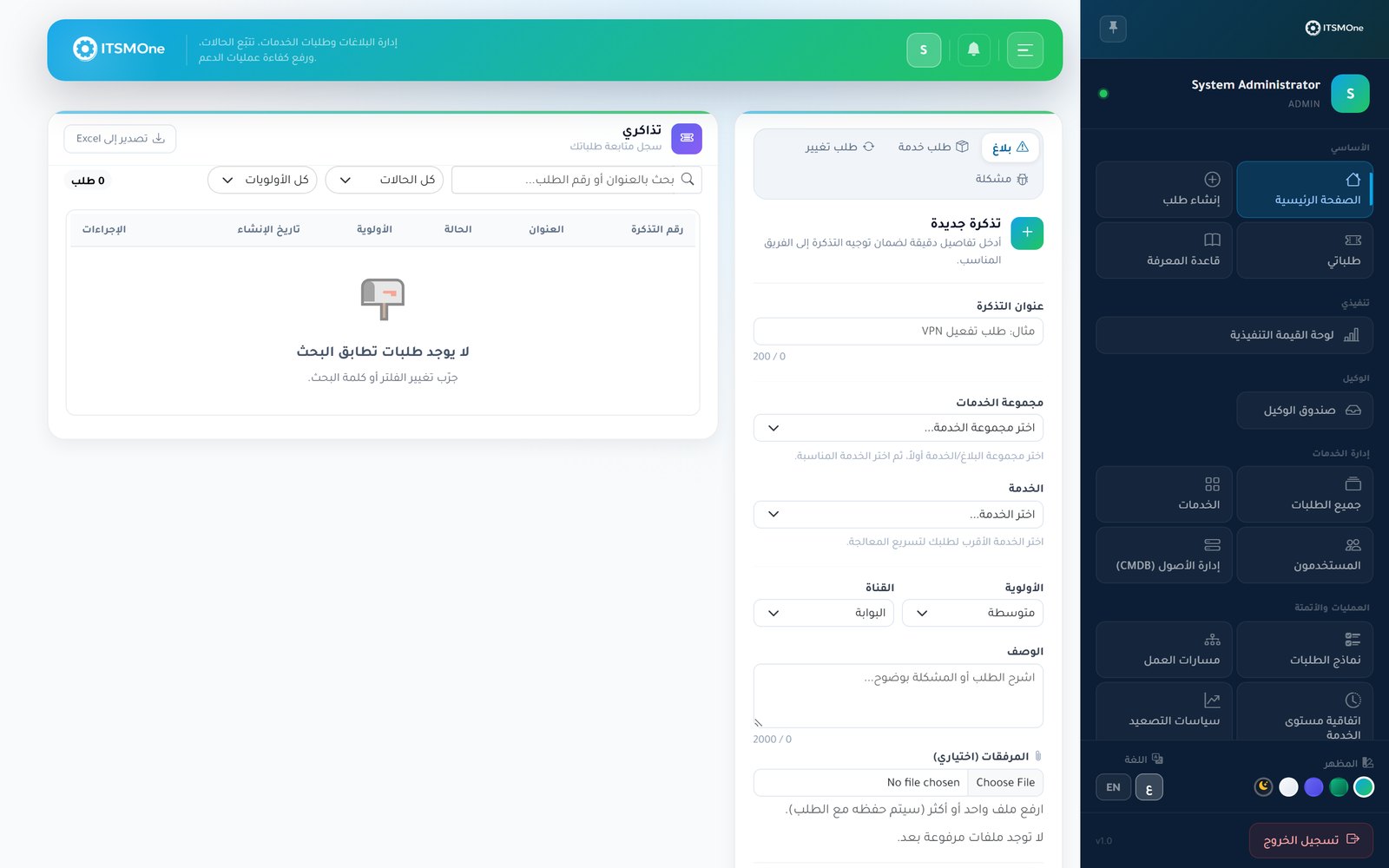
Requests that fulfill themselves — while everyone watches the progress. طلبات تُلبّى من تلقاء نفسها — والجميع يشاهد تقدّمها.
An ordering experience, not a form dumpتجربة طلب، لا كومة نماذج
Employees browse a clean catalog, pick the service they need and see only the fields that apply — like shopping, not paperwork.يتصفح الموظفون كتالوجاً أنيقاً، ويختارون الخدمة التي يحتاجونها، ولا يرون إلا الحقول ذات الصلة — كتجربة تسوّق لا كأوراق رسمية.
Right data, first timeبيانات صحيحة من أول مرة
Dynamic forms ask for exactly what each service needs, ending the back-and-forth of "could you also send us…".النماذج الديناميكية تطلب ما تحتاجه كل خدمة بالضبط، فتُنهي رسائل «هلّا أرسلت لنا أيضاً…» ذهاباً وإياباً.
Approvals without chasingموافقات بلا مطاردة
Multi-step chains route to the right approvers in order, remind them automatically, and skip steps whose conditions don't apply.سلاسل متعددة الخطوات تصل للمعتمدين الصحيحين بالترتيب، وتذكّرهم تلقائياً، وتتجاوز الخطوات التي لا تنطبق شروطها.
Visible from request to deliveryمرئية من الطلب حتى التسليم
Requesters track every stage live from the portal, and fulfillment teams see exactly which task is theirs and when it's due.يتتبع الطالبون كل مرحلة لحظياً من البوابة، وترى فرق التلبية بدقة أي مهمة تخصها ومتى موعدها.
The full request pipeline, engineered end to end. خط الطلبات الكامل، مهندَس من أوله إلى آخره.
Catalog with role-based visibility
كتالوج برؤية حسب الدور
Organize services into categories and control exposure by role — HR sees HR services, engineers see engineering ones.
نظّم الخدمات في فئات وتحكّم في ظهورها حسب الدور — فترى الموارد البشرية خدماتها، ويرى المهندسون خدماتهم.
No-code form builder
منشئ نماذج بلا برمجة
Compose each service's request form from drag-and-drop fields — text, choices, dates and more — without a developer.
ركّب نموذج طلب كل خدمة من حقول بالسحب والإفلات — نصوص وخيارات وتواريخ وغيرها — دون مطوّر.
Fulfillment workflow designer
مصمّم سير التلبية
Chain submission, approval, task, automation, notification, condition and timer steps visually, with branching transitions per case.
اربط خطوات التقديم والموافقة والمهام والأتمتة والإشعارات والشروط والمؤقّتات مرئياً، بتفرّعات تختلف حسب الحالة.
Multi-step conditional approvals
موافقات متعددة الخطوات وشرطية
Serial approval stages with conditions on each — high-cost or Critical requests can demand extra sign-offs automatically.
مراحل اعتماد متتابعة بشروط على كل منها — فتستوجب الطلبات عالية الكلفة أو الحرجة موافقاتٍ إضافية تلقائياً.
Fulfillment SLAs
SLA للتلبية
Give each priority a delivery target on your business calendar, warn assignees before it slips, and escalate if it does.
حدّد لكل أولوية هدف تسليم على تقويم عملك، ونبّه المكلّفين قبل التأخر، وصعّد إذا حدث.
Status updates everywhere
تحديثات الحالة في كل مكان
Requesters and fulfillers get in-app and email notifications at every transition, and the audit trail records the journey.
تصل الطالبين والمنفّذين إشعارات داخل التطبيق وبالبريد عند كل انتقال، ويوثّق سجل التدقيق الرحلة كاملة.
From "I need" to "it's done", in four stages. من «أحتاج» إلى «تم التنفيذ»، في أربع مراحل.
Browse & requestالتصفح والطلب
The employee picks a service from the catalog and fills its dynamic form — only the relevant fields appear.يختار الموظف الخدمة من الكتالوج ويعبّئ نموذجها الديناميكي — ولا تظهر إلا الحقول ذات الصلة.
Approveالاعتماد
The approval chain fires automatically; each approver decides in turn, with conditional steps skipped when they don't apply.تنطلق سلسلة الموافقات تلقائياً؛ يبتّ كل معتمد بدوره، وتُتجاوز الخطوات الشرطية حين لا تنطبق.
Fulfillالتنفيذ
The workflow generates tasks for the fulfillment team, runs automations and notifications, and keeps SLA timers honest.يولّد سير العمل مهامّ فريق التنفيذ، ويشغّل الأتمتة والإشعارات، ويُبقي مؤقّتات SLA صادقة.
Deliver & confirmالتسليم والتأكيد
The requester is notified of delivery, confirms the outcome, and the request closes with a complete recorded history.يُشعَر الطالب بالتسليم، ويؤكد النتيجة، ويُغلق الطلب بسجل تاريخي كامل وموثّق.
Service request management, answered. أسئلة شائعة عن إدارة طلبات الخدمة.
Explore more solutions استكشف حلولاً أخرى
Turn requests into a production line. حوّل الطلبات إلى خط إنتاج.
Catalog, form, approval, fulfillment — one pipeline that delivers on time and documents every step by itself. كتالوج فنموذج فاعتماد فتلبية — خط واحد يسلّم في موعده ويوثّق كل خطوة بنفسه.